
The Psychological Comfort of Living in Leggings for a Month
- Laura Johnstone
- Feb 23
- 3 min read

When mental health dips, small choices can have a surprising impact on how we feel. One unexpected comfort I found during a challenging month was living almost entirely in leggings. This simple change brought a sense of ease and safety that helped me cope when I felt I did not have the space in my brain to make decisions.
Psychology supports this experience, showing how clothing affects our mental state. This post explores why leggings offered me more than just physical comfort—they can also soothe the mind.
How Clothing Influences Mental Health

Clothing is often seen as just a practical necessity or a fashion statement. Yet, research shows it plays a deeper role in how we feel about ourselves and the world. The fabric, fit, and style send signals to our brain about identity, safety and comfort.
Soft fabrics like cotton or lycra can reduce sensory irritation.
Stretchy materials allow freedom of movement, reducing physical tension.
Wearing comfortable and basic clothes can create a feeling of predictability and control, reducing decision fatigue.
Clothes that fit well without restriction help the body relax, which can ease anxiety.
Leggings combine these qualities, making them ideal for times when mental health is fragile.
The Comfort of Fabric and Fit
Leggings are usually made from soft, stretchy fabrics that hug the body gently. This close contact can feel like a hug, which is important when stress levels are high. Unlike stiff or heavy clothing, leggings move with the body, reducing distractions caused by discomfort.
For example, during my month of wearing leggings daily, I noticed less physical irritation. The fabric’s smooth texture felt comforting rather than restricting or tight, which helped me stay calm. This comfort extended beyond the body to the mind, creating a subtle but steady reassurance that I was safe.
Style and Mental Safety

The style of leggings also plays a role in mental comfort. They are simple, unrestrictive, and familiar to many people. This familiarity can trigger a sense of safety, just like a favourite blanket or a trusted routine.
Wearing leggings felt like a small act of self-care. It was a way to tell myself that I was ok, I was safe, even when other parts of life felt overwhelming. This message to the brain helped reduce feelings of stress and vulnerability.
Psychological Support from Wearing Leggings
Psychologists explain that our brains respond to sensory input in ways that affect mood and cognition. When the body feels safe and comfortable, the brain can focus on healing and positive thoughts.
Sensory comfort reduces the fight-or-flight response.
Consistent routines like wearing the same type of clothing can ground the mind.
Positive associations with comfort clothing can improve self-esteem.
In my experience, leggings became a tool for managing mental health days. They provided a physical reminder that I was taking care of myself, which helped shift my mindset toward recovery.
When Comfort Meets Function
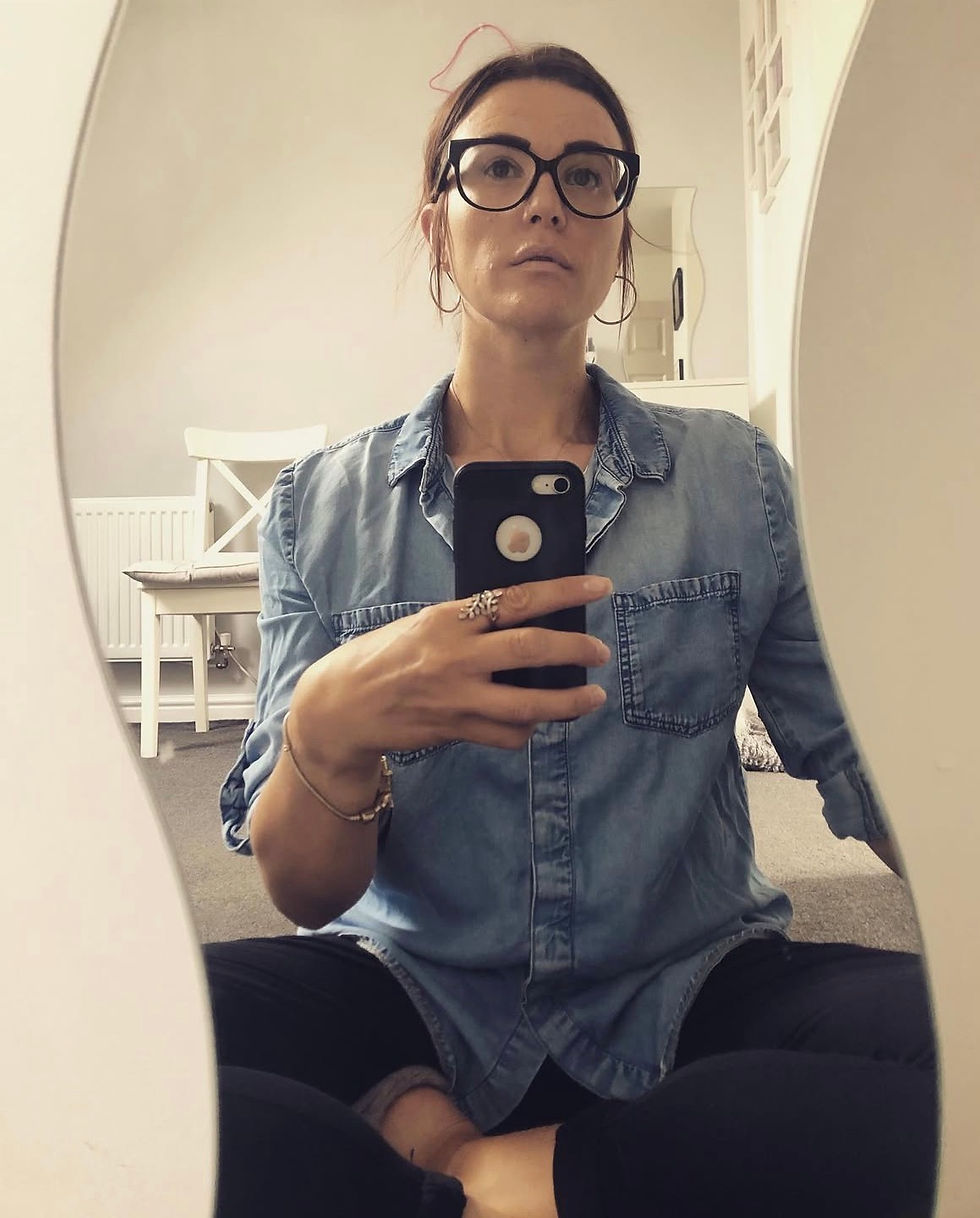
Leggings are not only comfortable but also versatile. This means you don’t have to sacrifice style for comfort, which I found important for maintaining confidence and a sense of self.
For example, pairing leggings with good knitwear, or a blazer can create an outfit that feels both relaxed and put-together. It's not always what you wear, but how you style it. Adding jewellery and some good boots soon makes an outfit. This balance supports mental well-being by helping you feel ready to face the day without added stress.
Practical Tips for Using Clothing to Support Mental Health
If you’re considering using clothing as a way to support your mental health, here are some practical ideas:
Choose soft, breathable fabrics that feel good against your skin.
Pick clothes that allow easy movement and are not too tight.
Create a small wardrobe of comfortable items you enjoy wearing.
Use clothing as a form of self-expression that feels safe and authentic.
Pay attention to how different fabrics and styles affect your mood.
These small steps can build a sense of control and comfort during difficult times.


Comments